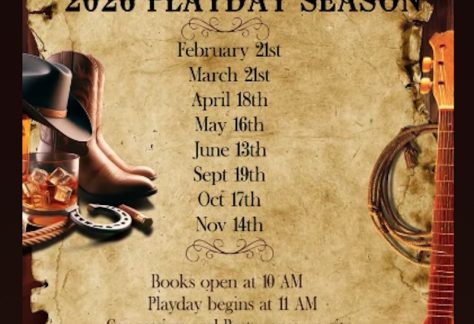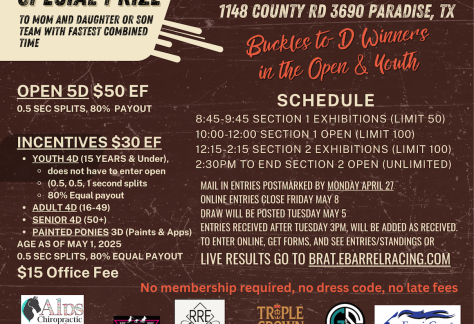
The Holiday Series at THE EXPO at Glen RoseRepeating Event
The Expo At Glenrose
202 E Bo Gibbs Dr Glen Rose , TX 76043
The Expo At Glenrose
202 E Bo Gibbs Dr Glen Rose , TX 76043
The Expo At Glenrose
202 E Bo Gibbs Dr Glen Rose , TX 76043
Shepherds Valley Cowboy Church
8901 U.S. 67, Alvarado, TX 76009

Adding a supplement to your horses’ feed to reduce the worm burden on your pasture sounds like a rich claim, but researchers recently tested an Australian product designed to do just that—and with positive results.
In horses, colic is an ambiguous, potentially dangerous, diagnosis.

“Not much else causes an illness that looks like this,” she said, “but if you need confirmation, our laboratory can examine the rumen content or stomach content microscopically and identify the plant material. We’re here to assist your veterinarian with a diagnosis.”
Equine rotavirus (ERV) infection, which causes illness in nearly 100% of infected foals
Late-pregnancy mares need to be fed adequately so they are not undernourished, because the last few months of fetal development see the most growth
When alfalfa is this mature, horses try to eat just the leaves and sort out the larger, coarser stems
Twenty percent of the U.S. horse population is now over the age of 20.
Years of training and many miles in the show ring mean these horses need a little extra TLC to stay sound. Depending on the horse and the discipline, that might mean more time warming up or periodic joint injections when he starts to have a hitch in his giddyup.
Morgan Pyles, a PhD student in the department of animal and food sciences at the University of Kentucky (UK), became interested in mare and foal nutrition by accident.
Equine rabies is a feared and fatal disease, but there are ways horse owners can reduce the risk of their animals becoming infected
You’re likely eager for fresh information on how to care for your equids over 20, hoping they will live as long as possible but with a good quality of life.
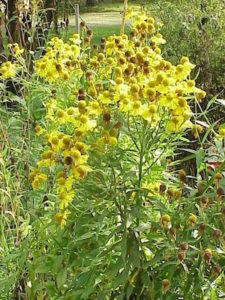
There are various species of blister beetles. They are typically 3/4to 1-1/4 inches long with narrow bodies. They may be gray to black, solid, spotted or striped.
This condition is a real problem for training, nutrition, and overall health
When feeding an OTTB, it’s important to understand how he was fed during his time on the track
From a nutritional standpoint, common questions regarding pasture grass and grazing activity include: “What is the benefit of pasture for my horse?” “Can my horse get all the required nutrition from grass alone?” And, related to the previous question, “If my horse is at pasture all day long, do I need to feed him some kind of supplement?”