Full Throttle Buckle SeriesWeekly
The Expo At Glenrose
202 E Bo Gibbs Dr Glen Rose , TX 76043
The Expo At Glenrose
202 E Bo Gibbs Dr Glen Rose , TX 76043

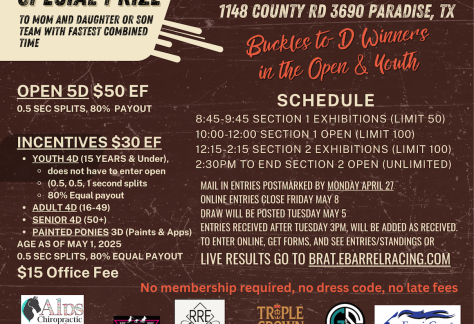
American Paradise Ranch
1148 County Road 3690, Paradise, TX
Northcrest Equestrian Center
3900 CR 805 B Cleburne , TX 76301
(JCSP) Johnson County Sheriff's Posse Indoor & Outdoor Arena
1315 North Main Street, Cleburne, TX 76033
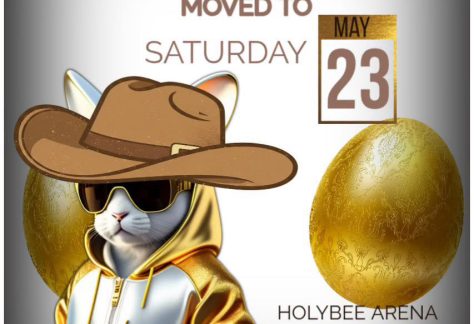
Holybee Arena
2141 SW Wilshire Blvd, Burleson, TX 76028
377 Arena
10740 N US Hwy 377 Stephenville, Tx 76401
Your horse just had a fabulous workout, got really sweaty, and used up a lot of energy
By the time most owners start talking about equine metabolic issues, their horses have already developed a problem
How can we lengthen meal time while reducing calorie intake in obese horses?
Several ionophores are approved for use in the United States with the most common being monensin, salinomycin, lasalocid, laidlomycin, and narasin.
If forages provide the โmaintenanceโ energy horses need for the workings of everyday life then cereal grains are the turbocharged portion of the diet
For the vast majority of horses around the world, pasture grasses and hay (dried grasses and legumes) are the most common sources for that all-important fiber fix, and rightly so, because horses have evolved to eat these plants.
Many horse owners go their whole lives caring for horsesโ hooves with little knowledge of the hoof capsulesโ inner workings
Not all fiber is created equal. Depending on its origins, it can vary widely in terms of quality and digestibility. Read Complete Article
Are you confused about how much protein your horse should consume?
Veterinarians and farriers apply a wide variety of horseshoes to treat the plethora of hoof problems that come our horsesโ way, not to mention issues farther up the limb.
For the most part, horse owners have little to fear when it comes to nutrient deficiencies in their horses’ diets.
Of all the components of your horseโs diet, protein is probably the most misunderstood.
In a recent study, caretakers estimated that less than 12% of horses at various equestrian centers had back pain
Hereditary equine regional dermal asthenia, more commonly known as HERDA, is often thought of as a skin disease that affects mainly Quarter Horses, primarily in the cutting horse industry.
Grazing comes naturally for horses, but there’s more to it than just chewing pasture.